

TLDR:
Remodeling gets messy when selections, pricing, and approvals live in emails and PDFs. Interactive proposals keep everything in one place, so clients decide faster, changes get approved properly, and you stay profitable.
Keep Momentum From the First Meeting to the First Day on Site
Anyone who’s worked in remodeling knows no project goes exactly as planned. Even a “simple” cabinet install can turn into a domino chain of quoting delays, selection indecision, backorders, and change orders that nobody wants to fight about.
After the first walkthrough, most residential jobs hit the same wall: decisions. Finishes, fixtures, layouts, tiers, allowances. Clients want to stay on budget, but they’re staring at hundreds of options across showrooms, catalogs, and screenshots. That decision cycle can drag for weeks before a single hammer swings.
The problem isn’t that clients are picky. The problem is the process is slow and disconnected.
Interactive proposals change that by bringing scope, options, pricing impact, and approvals into one workflow. It’s faster for you, clearer for the client, and way better for protecting margin.
Why the Traditional Quoting and Design Process Slows Everything Down
The first meeting is your best window. The client is excited, motivated, and ready to talk about their dream kitchen. They’ve got Pinterest boards, HGTV ideas, and a list of “must-haves” a mile long.
Then the energy dies because the quote takes too long.
If you have to go back to the office, rebuild the scope in a spreadsheet, chase supplier pricing, then email a PDF and wait for feedback, you lose momentum. The client cools off, starts shopping other contractors, and the project timeline stretches before it even starts.
Even if you win the job, the slow quote process creates a second problem: you miss the upsell moment. When clients are fired up, they’re open to options. When they’ve waited two weeks for a quote, they’re just trying to get it over with.
What an Interactive Proposal Actually Does
An interactive proposal is not just a prettier PDF.
It’s a proposal where the client can review scope, explore options, and understand pricing changes without starting a new email thread every time they ask, “What if we upgrade that?”
You stay in control of the structure, the pricing rules, and the options you’re willing to offer. The client gets clarity and a smoother experience.
The result is simple: fewer stalled decisions, fewer misunderstandings, and faster approvals.
How Bolster Interactive Proposals Keep the Job Moving
Instant, consistent quoting built on templates
The biggest win is speed with structure.
Instead of building every estimate from scratch, you build templates for your common scopes and reuse them. That means a kitchen remodel quote becomes “input measurements, confirm scope, adjust options” instead of “start from zero and hope nothing gets missed.”
When you can quote faster, you catch the client while they’re still excited. You also filter tire-kickers early, because your process doesn’t require three late nights to send a number.
If you want the full estimating workflow, this is the entry point: Construction Estimating Software.
Real pricing, fewer gut-feel guesses
Material and labor costs move. If your pricing is stale, you either underbid and bleed or pad so hard you lose the job.
Bolster’s AutoCost feature is built to help with live market pricing for a large item library based on location, so you’re not quoting off last season’s spreadsheet. It also helps flag unusual entries so you catch the classic mistakes before they turn into an embarrassing quote revision.
That matters because fast quoting is only valuable if it stays accurate.
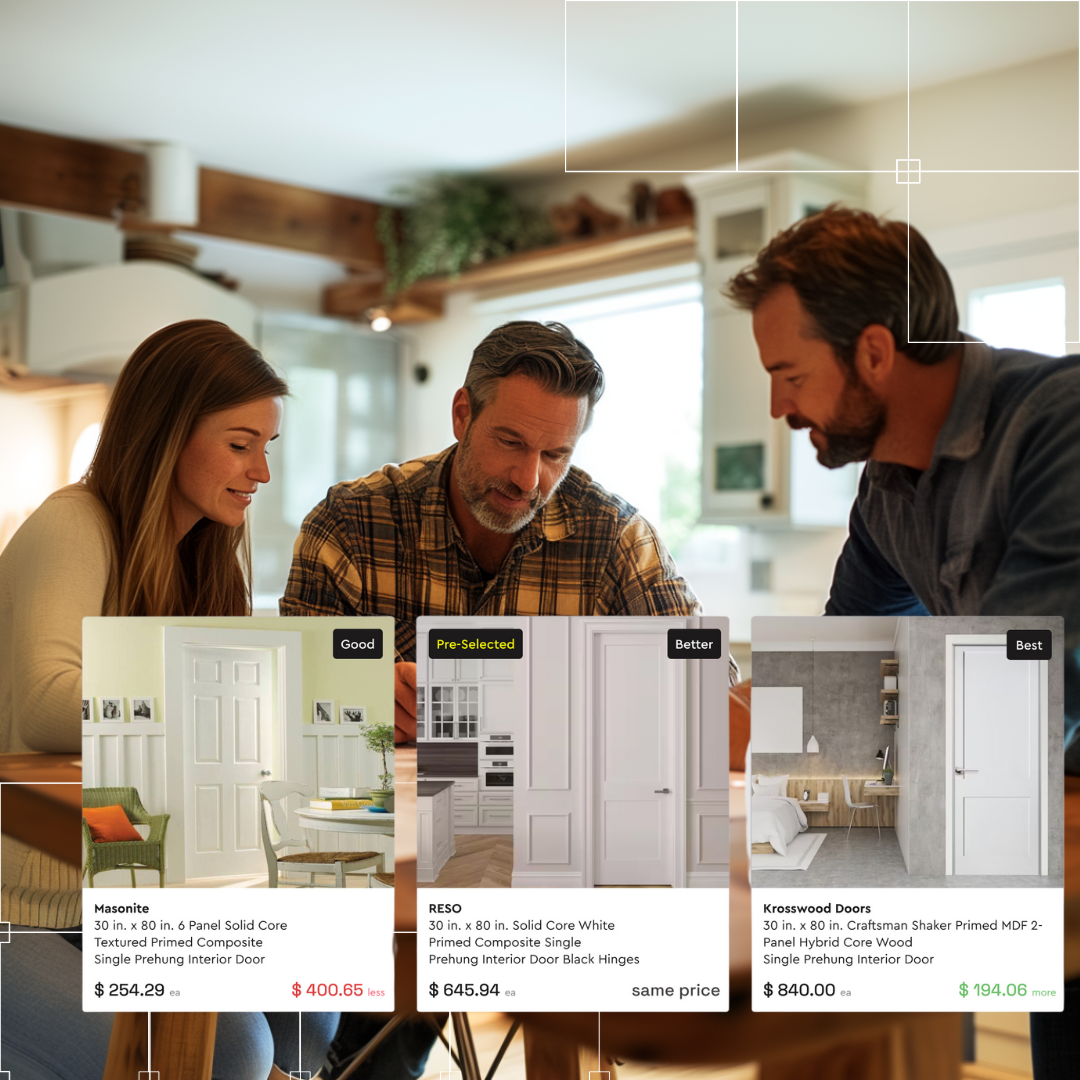
Selections and options that feel like a “virtual showroom”
This is where interactive proposals really change the remodel experience.
Instead of sending clients to three showrooms and hoping they remember what they liked, you can present curated options in the proposal itself. Clients can compare tiers, understand upgrade paths, and see how decisions affect the total before you’re deep into scheduling.
That does two things:
- It speeds up decision-making.
- It reduces the “we changed our mind” chaos later, because choices are clearer earlier.
Change orders that stay clean and approved
Change orders are normal. The stress comes from how they’re handled.
Old way: a text request, a quick “sure,” then a messy spreadsheet update later, then a client who says, “Wait, why did the price jump?”
Interactive proposals keep change management cleaner by making scope changes visible, priced, and approved. That reduces scope creep and protects margin, because you’re not donating “small tweaks” that add up into real labor and material.
If you want the workflow around revisions and approvals, here’s the overview: Revisions and Change Orders.
One place for communication and a clear paper trail
Remodeling projects produce a lot of messages. Most of the pain comes from messages being scattered.
When communication stays tied to the estimate and proposal, you reduce the “he said, she said” moments. You also save time because you’re not hunting for the latest version, the latest selection, or the last approved change.
The biggest benefit here is calm. Your team knows what’s current. Your client feels informed. And you don’t have to babysit the whole process.
Why This Changes Your Business, Not Just Your Proposals
Interactive proposals aren’t just a nicer sales tool. They change how the job runs.
When the scope is clear early, scheduling gets easier. When selections get locked sooner, ordering gets cleaner. When changes are documented and approved, margins stop leaking quietly.
You win jobs faster, and you deliver jobs with fewer surprises.
That’s what scaling actually requires.
How to Start Without Overhauling Everything
If you’re new to interactive proposals, don’t rebuild your whole system overnight.
Start with one job type you do all the time, like a standard kitchen remodel or hall bath. Build one strong template with clear tiers and a few upgrade paths. Use it on your next lead. Then refine it as you go.
The goal is repeatability. Once the template is strong, your speed and consistency improve on every quote after that.
Ready to See It in Action
If you want to tighten your quoting process, reduce selection delays, and stop losing margin to messy change orders, interactive proposals are worth a serious look.
And if you want a quick refresher on terminology clients mix up all the time, here’s a useful read: Estimate, bid, quote, or proposal: What’s the difference?