
What is construction estimating software and how does it work? An introduction for residential contractors

Bolster
TLDR
Construction estimating software helps residential contractors calculate project costs faster and more accurately by combining labor, materials, and overhead into professional digital estimates. It replaces manual spreadsheets with smarter, more reliable workflows.
Understanding construction estimating software
If you are a residential contractor working in the US or Canada, you have probably heard the term construction estimating software more than once. It can sound technical or intimidating at first, but at its core, it is simply a digital tool designed to help you calculate project costs accurately and consistently.
Construction estimating software allows contractors to build detailed cost estimates by accounting for labor, materials, overhead, and profit in one place. Instead of juggling spreadsheets, handwritten notes, and vendor emails, everything lives in a single system.
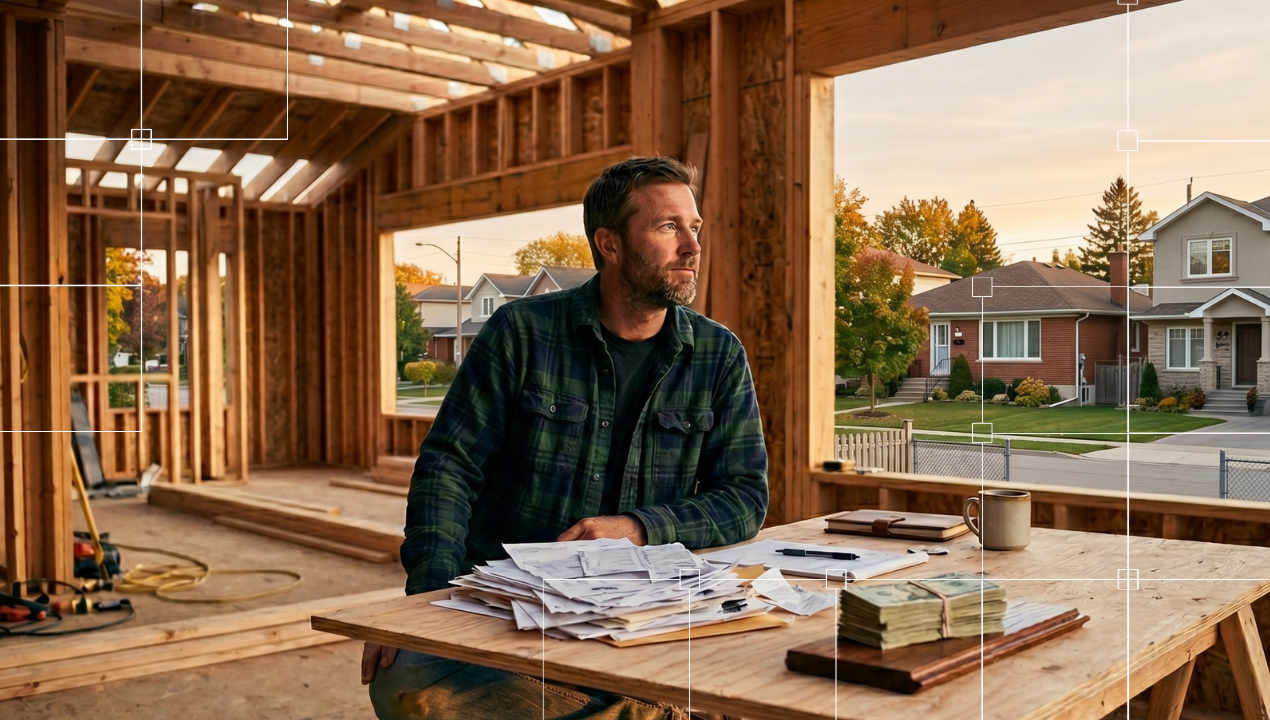
I remember the days of manual estimating clearly. Paper everywhere, numbers changing constantly, and that lingering worry that something important had been missed. Moving to software like Bolster changed that completely.
Why estimating software matters for residential contractors
Many contractors start out using spreadsheets, and for small jobs that might work. The problem shows up as soon as projects grow in size or volume.
Estimating software improves accuracy, speeds up turnaround time, and creates consistency across all your bids. Clients notice when estimates are clear, professional, and easy to understand. More importantly, accurate estimates protect your margins and reduce unpleasant surprises during construction.
In a competitive market, faster and more reliable estimates often make the difference between winning and losing a job.
How construction estimating software works
The best way to understand how estimating software works is to think about what you already do manually.
You enter project details such as scope, materials, labor rates, and timelines. The software then uses built in databases, calculations, and cost logic to generate a detailed estimate. Tools like AutoCost in Bolster help automate pricing so that your numbers stay consistent across projects.
Instead of recalculating everything from scratch, you can adjust quantities, update selections, or apply changes instantly. The software also helps account for labor rates, overhead, and profit so nothing gets overlooked.
Many platforms also allow you to turn estimates into polished proposals that clients can review and approve digitally.
Turning estimates into client friendly proposals
Modern construction estimating software does more than crunch numbers. It helps you present your work professionally.
Rather than sending static PDFs, contractors can now share interactive estimates that allow clients to explore options, understand pricing, and see how decisions affect the total cost. This level of transparency builds trust and speeds up approvals.
Clear proposals also reduce back and forth conversations and help set expectations before construction begins.
Is estimating software hard to learn?
Construction technology can feel overwhelming at first, especially if you are used to doing things a certain way. The good news is that modern estimating platforms are designed specifically for contractors, not accountants or software engineers.
Systems like Bolster focus on usability, offering intuitive workflows and educational resources to help contractors get up and running quickly. Once you understand the basics, most contractors find that estimating actually becomes easier and less stressful than before.
The future of estimating is interactive
One of the biggest shifts in recent years is the move toward interactive quoting. Homeowners want clarity, flexibility, and confidence when making decisions about their projects.
Estimating software supports this by allowing contractors to present options, upgrades, and real time pricing changes. This turns the estimating process into a collaborative experience rather than a one sided transaction.
For residential contractors looking to grow in 2026 and beyond, understanding and using construction estimating software is no longer optional. It is a core part of running a modern, profitable business.