

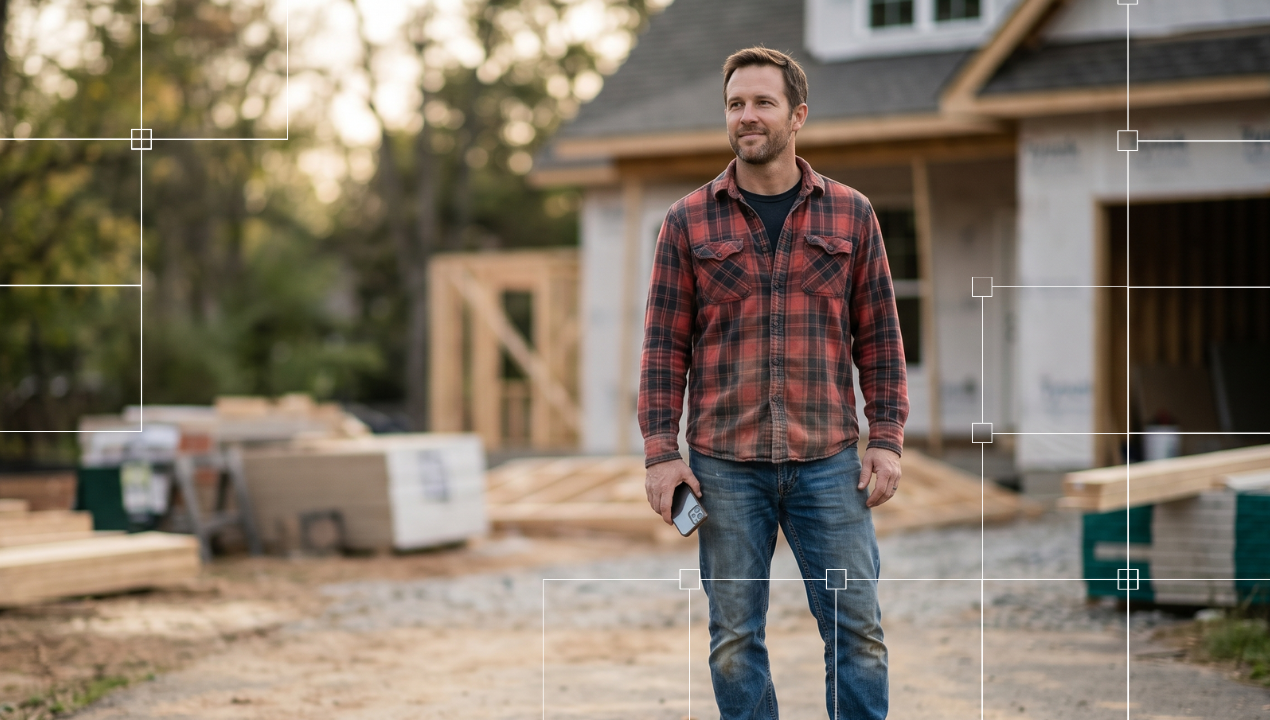
Labor shortages in Dallas: How it's reshaping construction technology adoption

Bolster
TLDR
Dallas construction labor shortages are forcing contractors to rethink how they operate. By adopting construction technology like digital estimating, automation, drones, and prefabrication, contractors are improving efficiency, controlling costs, and keeping projects moving despite workforce challenges.
How labor shortages are accelerating construction tech in Dallas
Dallas has long been a hub for construction. As a seasoned residential contractor in Dallas, I remember when labor was abundant and project timelines ran like clockwork. Today, the Dallas construction labor shortage is reshaping the industry. While the challenge is real, it has pushed contractors toward faster adoption of construction technology.
The real impact of labor shortages in Dallas
The labor shortage in Dallas goes far beyond a few missing crew members. Contractors across the city are experiencing:
- Rising project costs caused by delayed timelines
- Compromised build quality due to rushed or understaffed crews
- Projects being paused or delayed indefinitely
In my two decades in construction, I have never seen projects disrupted at this scale. Last year alone, multiple jobs were stalled because skilled labor simply was not available. What changed the outcome was technology stepping in where labor could not.
The silver lining: The rise of construction technology
With labor in short supply, construction technology has become a necessity rather than a luxury. Dallas contractors are turning to digital tools to stay competitive and protect margins.
Digital estimating tools changing the game
Manual takeoffs and spreadsheets slow everything down. Digital estimating platforms like Bolster have transformed how quickly and accurately estimates are created.
The first time I used Bolster’s AutoCost feature on a high end Dallas residential project, our estimate prep time was cut nearly in half. That efficiency allowed us to submit faster proposals and win work that would have otherwise gone to competitors.
Drones and AI on the jobsite
Site supervision has also evolved. Drones now provide real time visibility across large construction sites, while AI powered analytics help identify risks, track progress, and reduce costly errors. What once required multiple supervisors can now be handled with fewer people and better data.
Modular and prefabricated construction solutions
Labor shortages have also pushed Dallas contractors toward modular and prefabricated construction methods. On a recent downtown project that was nearly canceled due to staffing issues, switching to prefabrication reduced overall build time by roughly 30 percent while maintaining quality.
VR and AR improving training efficiency
Training new workers has traditionally been time consuming. Virtual reality and augmented reality tools now allow teams to train faster and more safely. Walking through a virtual jobsite before stepping onto the real one has become a practical solution, not a novelty.
Embracing technology for the road ahead
If the Dallas construction labor shortage has proven anything, it is that technology adoption is essential. From digital estimating and scheduling to automation and training tools, contractors who embrace technology are better positioned to survive and grow.
Dallas contractors who invest in construction technology today will be the ones winning projects tomorrow. The future of construction in Dallas is digital, and the shift is already well underway.