How 3D design software can help streamline your sales process

Bolster
TLDR
3D design software helps builders and remodelers shorten sales cycles by allowing homeowners to visualize projects clearly, reduce indecision, limit revisions, and pair designs with accurate estimates for faster closes.
Why 3D design software shortens the pre-sales process
From simple layouts to complex builds, realistic 3D design software allows home building and remodeling professionals to move prospects from concept to commitment faster. Instead of relying on abstract floor plans, contractors can present photorealistic visuals that make decisions easier for homeowners.
When paired with construction estimating software, 3D design tools streamline the entire pre-sales phase by aligning design, scope, and cost before construction begins.
Expedite sales with 3D renderings
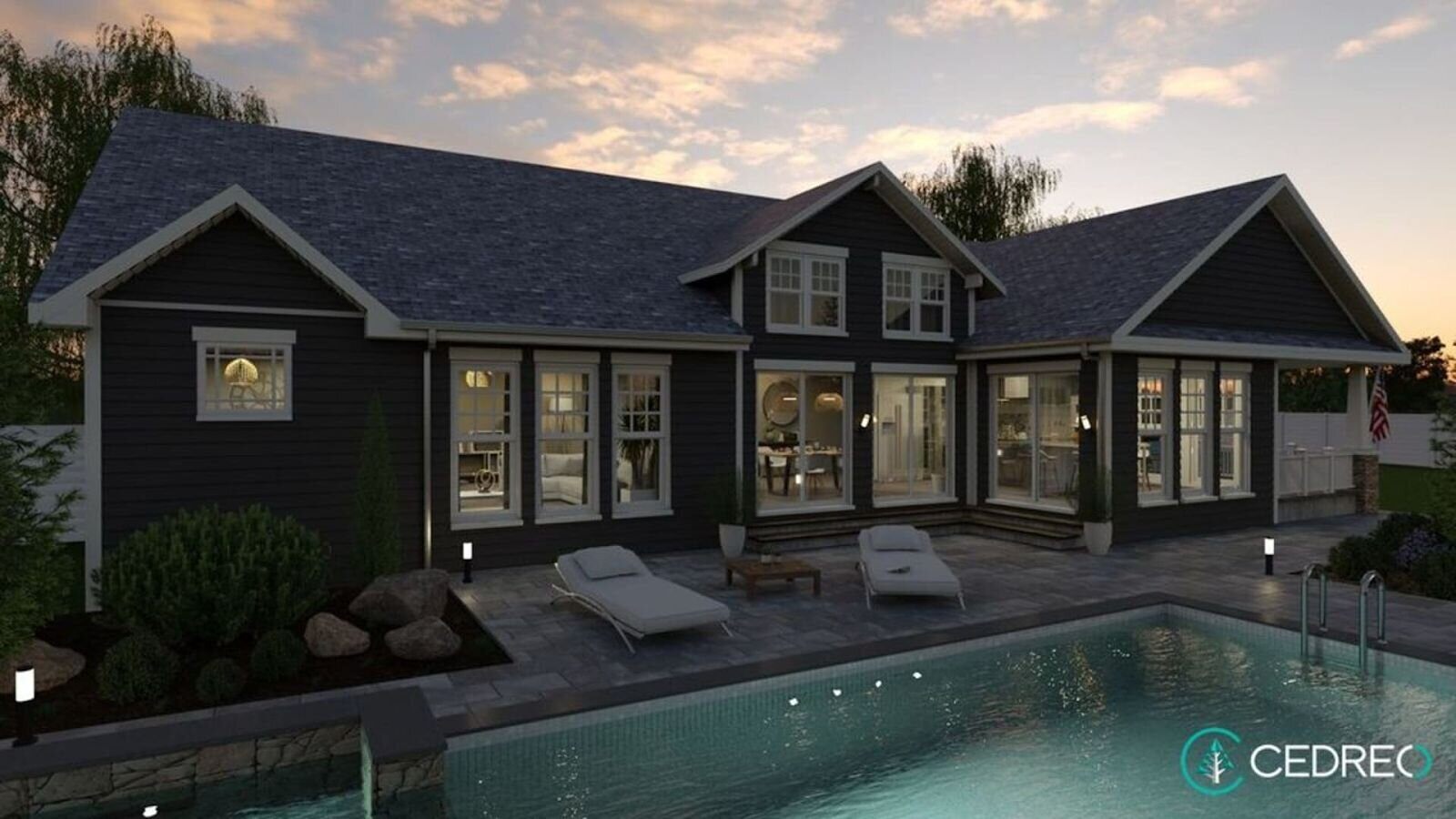
3D renderings are widely used throughout the sales process for new homes and remodeling projects because they create an immersive experience for buyers. Homeowners can clearly visualize their future space before work begins, reducing uncertainty and hesitation.
Unlike traditional floor plans, 3D visuals allow professionals to showcase multiple design options, finishes, and layouts. Certain features that may not be obvious on paper become immediately clear in a rendered environment.
Home design software like Cedreo makes this process faster by offering intuitive tools that do not require advanced drafting skills. Professionals can quickly draw floor plans, apply textures and materials, and generate photorealistic images that feel detailed and lifelike.
This reduces the time and cost associated with sales materials while providing clients with 2D plans, 3D floor plans, and realistic visuals that help them confidently move forward.
Because SaaS design tools are cloud based, edits can be made instantly, even during client meetings. This allows homeowners to make decisions in real time and eliminates doubts before the project begins, leading to faster closes.
Limit back and forth with clients
Outsourcing drawings and 3D renderings can seem efficient at first, but it often leads to long feedback cycles, higher costs, and delays. Working with architects or designers introduces additional layers of communication that slow down decision making.
Using professional home design software internally allows contractors to stay in control of the design process. With the right interface, drawing and revising designs becomes quick and intuitive.
Before choosing design software, it is important to understand your sales workflow and the features you need to support it. When design tools are integrated directly into your sales process, you can respond faster, stay accurate, and align expectations early.
This creates a smoother customer experience and builds trust before construction even begins.
Estimate with accuracy using integrated tools
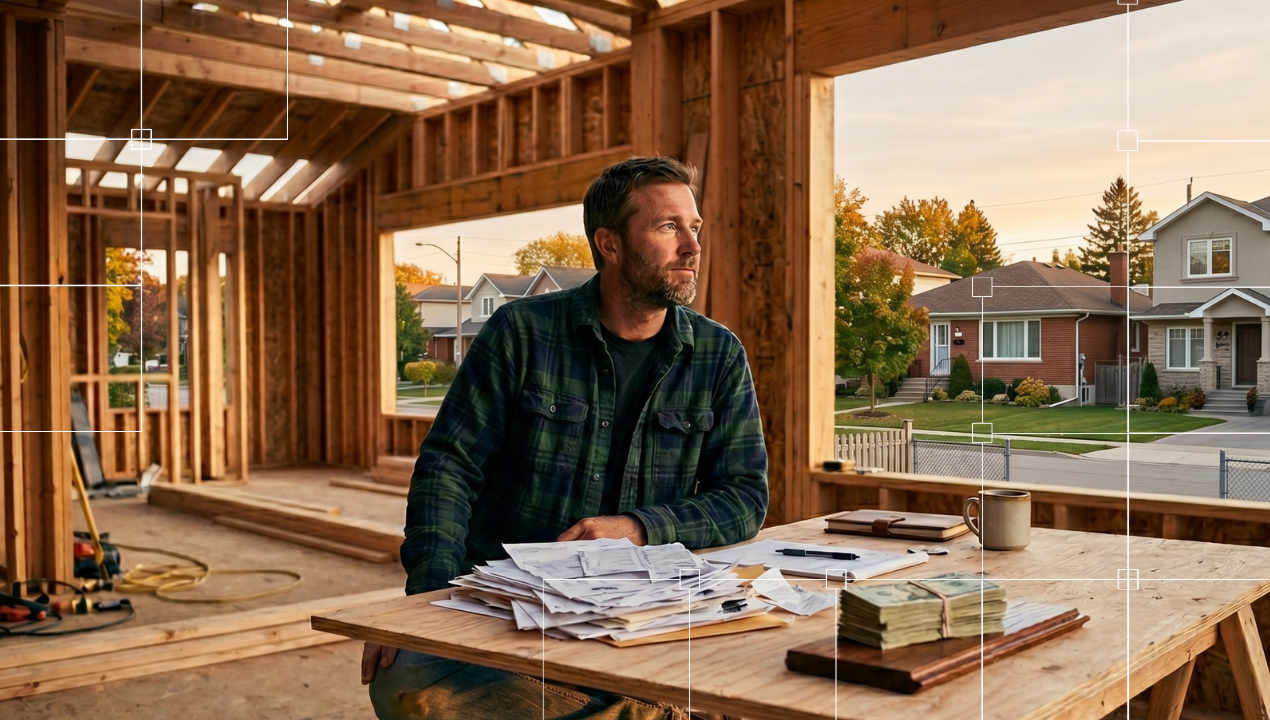
When 3D design software is paired with construction cost estimating software, it becomes a powerful sales asset. Homeowners can visualize layouts, materials, finishes, and fixtures while simultaneously understanding how each choice impacts cost.
Accurate estimates tied to the design reduce surprises, prevent scope confusion, and give homeowners confidence that the project aligns with their budget. This clarity removes friction from the sales process and helps contractors close deals faster with fewer revisions.
Conclusion
The right combination of 3D design and estimating tools helps streamline the entire sales process for new construction and remodeling projects. Buyers are able to make informed decisions faster, sales cycles shorten, and projects begin with clearer expectations.
By reducing indecision, minimizing revisions, and aligning design with cost upfront, contractors can create a smoother sales experience and avoid costly surprises during construction.