
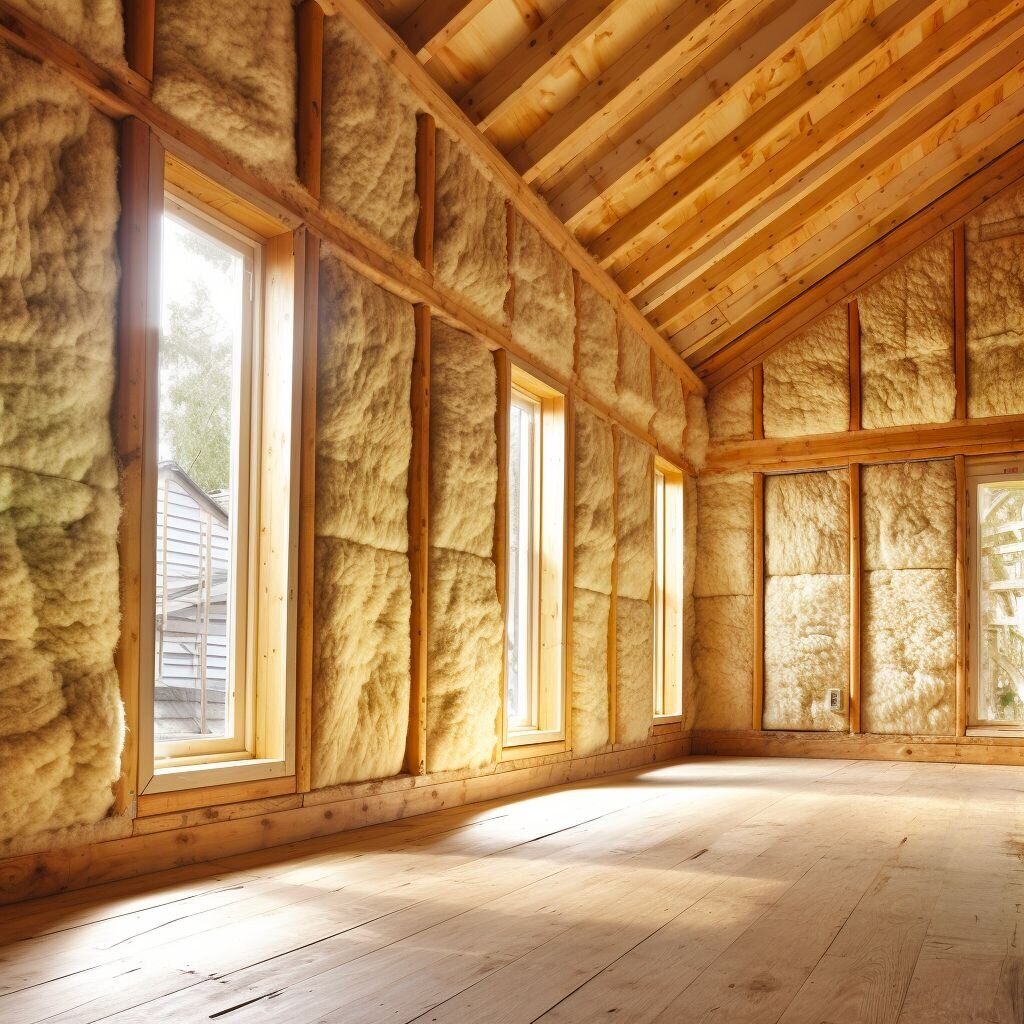

Dallas insulation tips construction masters won't tell you!

Bolster
TLDR
Proper insulation in Dallas is about more than staying cool in summer. Choosing the right insulation type, meeting correct R-values, ensuring professional installation, and balancing ventilation can significantly improve comfort, efficiency, and long-term energy costs.
What Dallas homeowners need to know about insulation
Dallas homeowners face a unique challenge. Scorching summers and surprisingly cold winters mean insulation plays a major role in year-round comfort and energy efficiency. As a residential contractor working in Dallas, insulation is one of the most overlooked areas that ends up making the biggest difference.
Here are practical insulation tips that experienced Dallas contractors rely on but do not always explain in detail.
Understand your insulation options
Many homeowners assume insulation is a one-size-fits-all product, but that could not be further from the truth. Fiberglass, cellulose, and spray foam all serve different purposes depending on the structure of the home.
Spray foam performs exceptionally well in tight spaces and older homes with irregular framing. While it comes at a higher upfront cost, it often delivers better air sealing and long-term energy savings. Fiberglass remains a solid option for many attics and walls when installed correctly.
The key is choosing insulation based on your home’s layout, age, and existing conditions rather than price alone.
Do not skimp on R-value
R-value measures how well insulation resists heat flow. In Dallas, attic insulation typically needs to fall between R30 and R60 depending on the structure of the home and current building standards.
Higher R-values help keep heat out during summer and retain warmth in winter. Inadequate R-value is one of the most common reasons homeowners experience high energy bills even after upgrading insulation.
Matching the correct R-value to your space is critical for performance and long-term savings.
Proper installation matters more than material
Even the best insulation performs poorly if installed incorrectly. Gaps, compression, or uneven coverage allow air leakage that reduces effectiveness.
Insulation should be evenly distributed with no voids, especially around attic penetrations, ductwork, and framing transitions. While DIY installation may seem appealing, mistakes often lead to higher energy costs that outweigh short-term savings.
Professional installation ensures insulation performs as intended from day one.
Consider radiant barriers in attics
Radiant barriers are especially effective in Dallas due to intense solar heat. Installed in attics, they reflect radiant heat away from the living space rather than absorbing it.
This can significantly reduce attic temperatures during peak summer months and lower cooling demand. Radiant barriers work best when paired with proper insulation rather than used as a replacement.
For many Dallas homes, this combination delivers noticeable comfort improvements.
Do not overlook ventilation
Insulation without proper ventilation can create moisture and heat buildup. Attics need a balance of intake and exhaust ventilation to allow hot air and moisture to escape.
Without ventilation, insulation can trap heat and reduce its effectiveness while increasing the risk of mold and material damage. Proper airflow protects both insulation performance and the overall structure of the home.
Ventilation and insulation should always be evaluated together.
Insulation is not exciting but it is essential
Insulation may not be the most visible upgrade, but it is one of the most impactful. Every Dallas home is different, and the best insulation solution depends on structure, usage, and long-term goals.
Understanding these details helps homeowners make smarter decisions that improve comfort and reduce energy costs year after year. When insulation is done right, it quietly works in the background doing exactly what it should.