The Dallas housing shortage and its ripple effects on construction

Bolster
TLDR
The Dallas housing shortage is driving higher demand, rising material costs, tighter schedules, and shifting client expectations. While these pressures create real challenges for contractors, they also open the door to smarter planning, better technology, and innovative building approaches that can help construction businesses stay competitive in a crowded market.
Understanding the impact of Dallas’s housing shortage
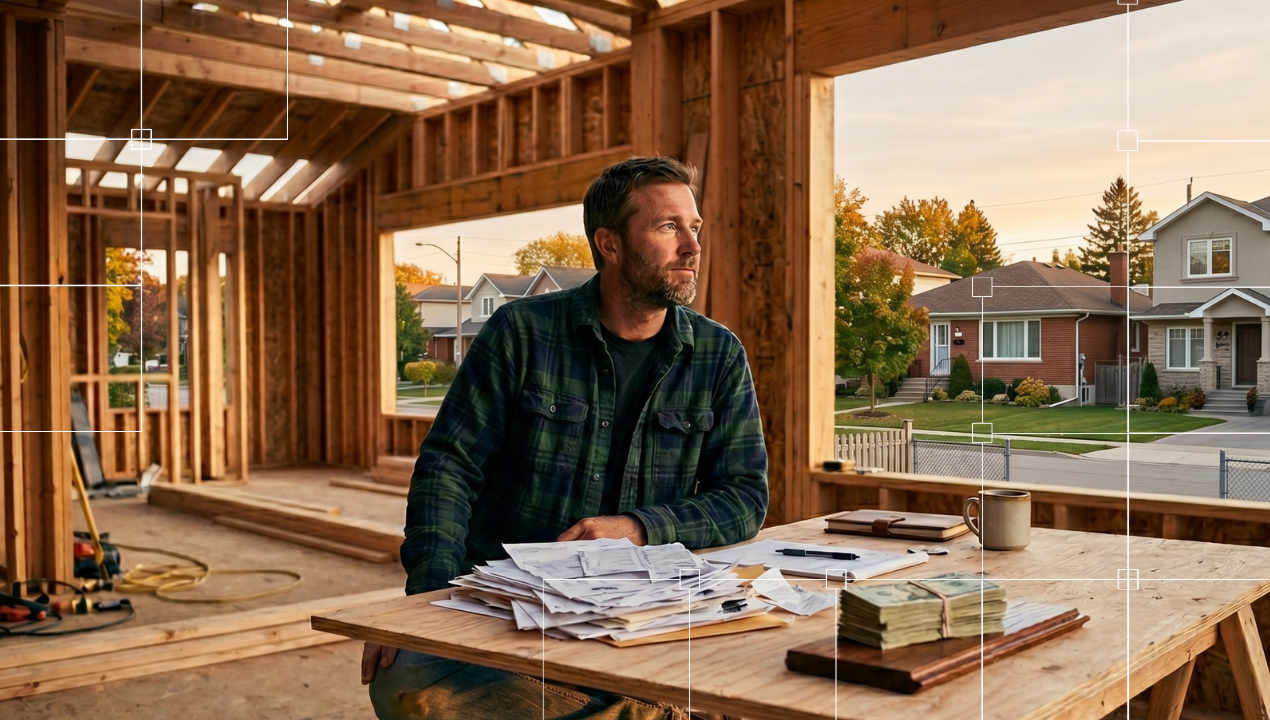
Hey there. If you have been working in or around Dallas construction lately, you have probably heard plenty of talk about the housing shortage. More people are moving to the area, demand continues to climb, and housing supply simply is not keeping up. On the surface, that sounds like great news for contractors. More demand should mean more work. In reality, it is not quite that simple.
The shortage has created a ripple effect that is changing how projects are priced, scheduled, and delivered across the city.
Where construction feels the pressure most
Rising material costs
High demand combined with limited supply almost always leads to higher prices. Dallas contractors have felt this firsthand with fluctuating lumber, concrete, and finish material costs. When prices rise quickly, estimates can become outdated before a project even breaks ground. Accurate estimating and up to date cost tracking are no longer nice to have. They are essential to protecting margins.
Project delays and scheduling challenges
Supply chain issues have become a familiar frustration. Back ordered materials, extended lead times, and labor availability can easily push timelines off track. Without careful planning, one delayed delivery can impact multiple trades and throw an entire schedule into chaos. Smarter scheduling and tighter coordination are now critical parts of managing Dallas projects successfully.
Changing client expectations
Clients feel the housing shortage too. Many want projects completed faster, while still expecting high quality and, increasingly, more sustainable building options. Energy efficiency, green materials, and modern construction methods are no longer niche requests. They are becoming standard expectations in a competitive housing market.
What this means for the future of Dallas construction
Despite the challenges, the housing shortage also creates opportunity. Contractors who adapt are finding new ways to grow and stand out.
Technology is playing a larger role than ever. Cloud based estimating and project management tools help contractors stay flexible when costs or schedules change. Having real time visibility into labor, materials, and budgets allows faster decision making in a fast moving market.
Education matters too. Understanding pricing structures, contract types, and accurate estimating practices helps contractors protect profitability even when conditions are unpredictable.
Finally, innovation is shaping how Dallas builds. Modular construction, adaptive reuse, and higher density housing projects are becoming more common as builders look for ways to meet demand efficiently.
Wrapping it up
The Dallas housing shortage is putting real pressure on construction businesses, but it is also pushing the industry forward. Contractors who embrace better planning, smarter tools, and new building approaches are positioning themselves to succeed. With the right mindset and systems in place, today’s challenges can become tomorrow’s competitive advantage.