Concrete for house‘s: your next residential build

Bolster
TLDR
Concrete is the backbone of residential construction, but success depends on choosing the right mix, proper preparation, correct pouring techniques, and modern innovations. With smart planning and accurate estimating, concrete projects can be durable, efficient, and built to last.
Why concrete matters in residential construction
Hey fellow builders, let’s talk about concrete for houses. Like you, I have faced my fair share of hands-on challenges. Concrete work comes with its own unique set of obstacles, whether you are dealing with hot, humid conditions in the southern United States or unpredictable weather across Canada.
Concrete is not just another material on the job site. It is the literal foundation of our homes and the base that everything else relies on.
Understanding concrete in residential construction
Concrete is everywhere in residential builds, from foundations and driveways to patios and walkways. But not all concrete is created equal.
Different applications require different mixes. A visually appealing backyard patio demands a different approach than a load-bearing foundation. Early in my career, I made the mistake of using a one-size-fits-all mix. The patio looked like it belonged in a garage, and that lesson stuck with me.
Choosing the right concrete mix
Selecting the correct concrete mix is just as important as the structure itself.
In colder climates, freeze-thaw resistance is essential to prevent cracking and long-term damage. In hotter regions, the mix needs to withstand heat without drying too quickly or losing strength. I have seen projects in sunny climates end up looking like oversized sunbaked cookies due to the wrong mix choice.
Matching the mix to the environment is a critical step in residential concrete success.
Preparation and planning
There is truth in the saying, fail to prepare, prepare to fail.
Proper site preparation ensures drainage, stability, and long-term durability. Poor prep work can undo even the best concrete pour.
Accurate estimating also plays a major role. A concrete project without a reliable estimate is like navigating without a map. This is where tools like Bolster help simplify estimating and reduce costly mistakes, making the planning phase far more manageable.
Best practices for concrete pouring
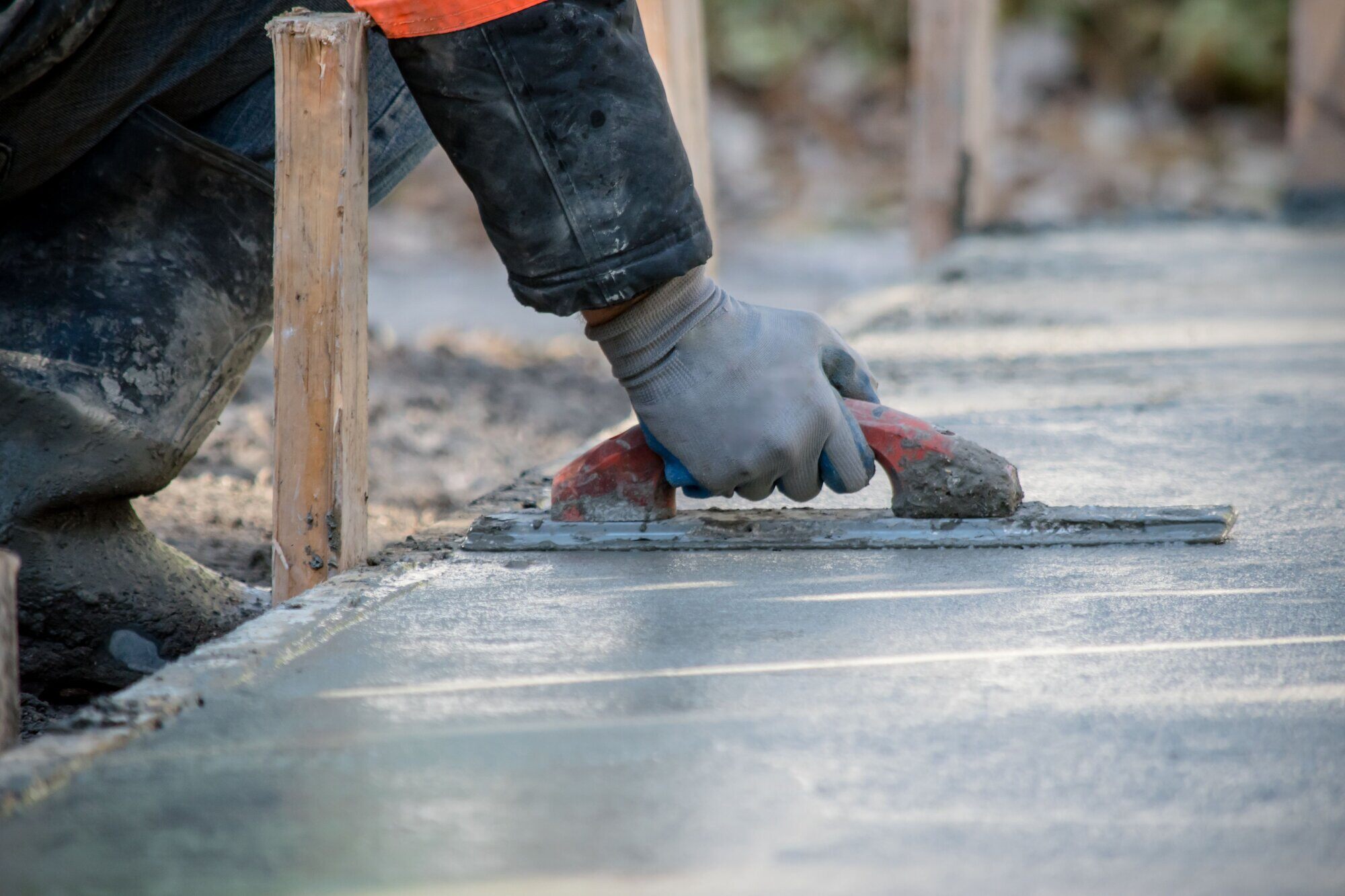
Timing and technique matter when working with concrete for houses.Pour too early and you rush the process.
Pour too late and the concrete becomes difficult to work with. Finishing and leveling require precision and patience.
I still remember a foundation pour where rain started halfway through leveling. The result was an unexpected textured finish that taught us a valuable lesson about watching the forecast closely.
Innovations in concrete technology
Concrete technology continues to evolve.
Self-healing concrete is no longer a concept of the future. Lightweight concrete options now offer impressive strength while being easier to work with. Staying current with these advancements allows residential builders to deliver better-performing homes and stand out in a competitive market.
Ensuring durability and longevity
Reinforcement is not optional in residential concrete work.
Rebar helps control cracking and strengthens structural integrity. A high-quality sealer also makes a significant difference for exposed concrete surfaces. It protects against moisture, weather, and wear much like sunscreen protects skin.
These steps extend the lifespan of concrete and reduce long-term maintenance issues.
Navigating building codes and regulations
Paperwork may not be exciting, but building codes exist for safety and durability.
Local regulations vary by region, and understanding those requirements helps avoid delays, fines, and costly rework. Staying compliant ensures your concrete structures meet both legal standards and long-term performance expectations.
Sustainability considerations
Sustainability is becoming increasingly important in residential construction.
Eco-friendly concrete options reduce environmental impact while appealing to environmentally conscious homeowners. Sustainable practices benefit the planet and can also add value to your projects.
Conclusion
Concrete for houses blends science with craftsmanship. With the right mix, proper preparation, modern techniques, and thoughtful planning, your concrete work can stand the test of time.
Accurate estimating tools like Bolster can make planning concrete projects far smoother and more predictable.
For more practical guidance, check out our guide on how to calculate concrete volume. It is packed with useful insights to keep your residential builds on solid ground.
Until next time, keep building strong and smart.