

TL;DR
Construction tech is booming, but most innovation targets large commercial contractors. Residential builders are often left using outdated tools or overcomplicated enterprise software. The industry needs modern, simple, cloud-based solutions built specifically for residential workflows — tools that improve estimating speed, integration, and sales performance without unnecessary complexity.
Construction Tech Is Booming — But Residential Contractors Are Still Underserved
When people talk about “tech,” they often treat it as one industry. But tech spans biotech, fintech, martech, AI, wearables — and now, increasingly, construction.
Historically, construction has been slow to adopt new technology. Many companies relied on the same estimating systems for decades. But that’s changing. Investment in construction tech has surged, innovation is accelerating, and digital tools are reshaping the industry.
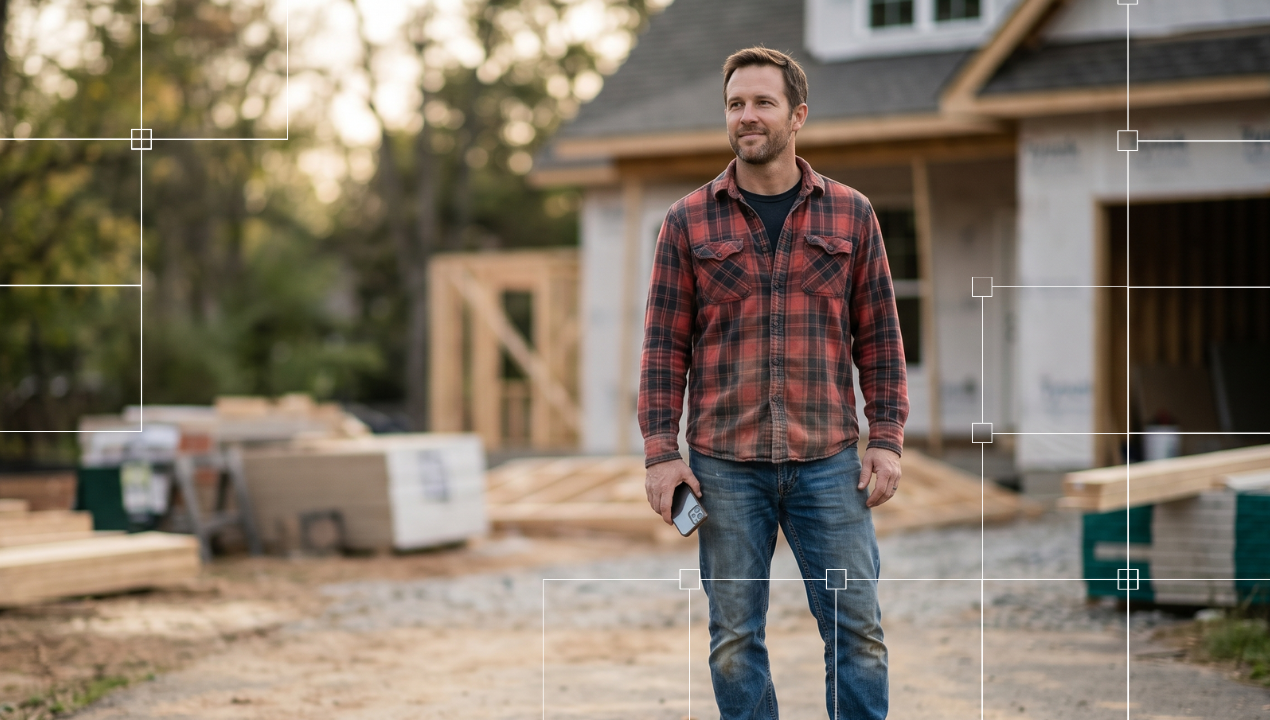
The problem? Much of that innovation isn’t built for residential contractors.
Why Construction Tech Is Finally Gaining Momentum
Construction is a massive and growing industry — worth roughly $1.4 trillion annually in the U.S. alone.
At the same time, the industry itself has evolved:
- Projects move faster
- Margins are tighter
- Clients expect digital collaboration
- Teams are more decentralized
- Cost tracking is more critical than ever
Companies adopting modern tools consistently outperform competitors. Yet construction remains one of the least digitized major industries — leaving significant room for growth.
The Integration Challenge
For years, construction technology was fragmented.
Contractors had to juggle separate systems for:
- Estimating
- Accounting
- Scheduling
- CRM
- Project management
Manual data transfers between tools led to inefficiencies and errors. Today, APIs and cloud-based integrations are improving connectivity — but much of this progress has centered on large commercial operations.
The Major Players — And the Gap They Leave
Companies like Procore, Trimble, Viewpoint, and Infra.Market dominate the commercial construction software market.
Their platforms are powerful — but they’re built for:
- Large teams
- Enterprise-level reporting
- Complex contracts
- Dedicated IT support
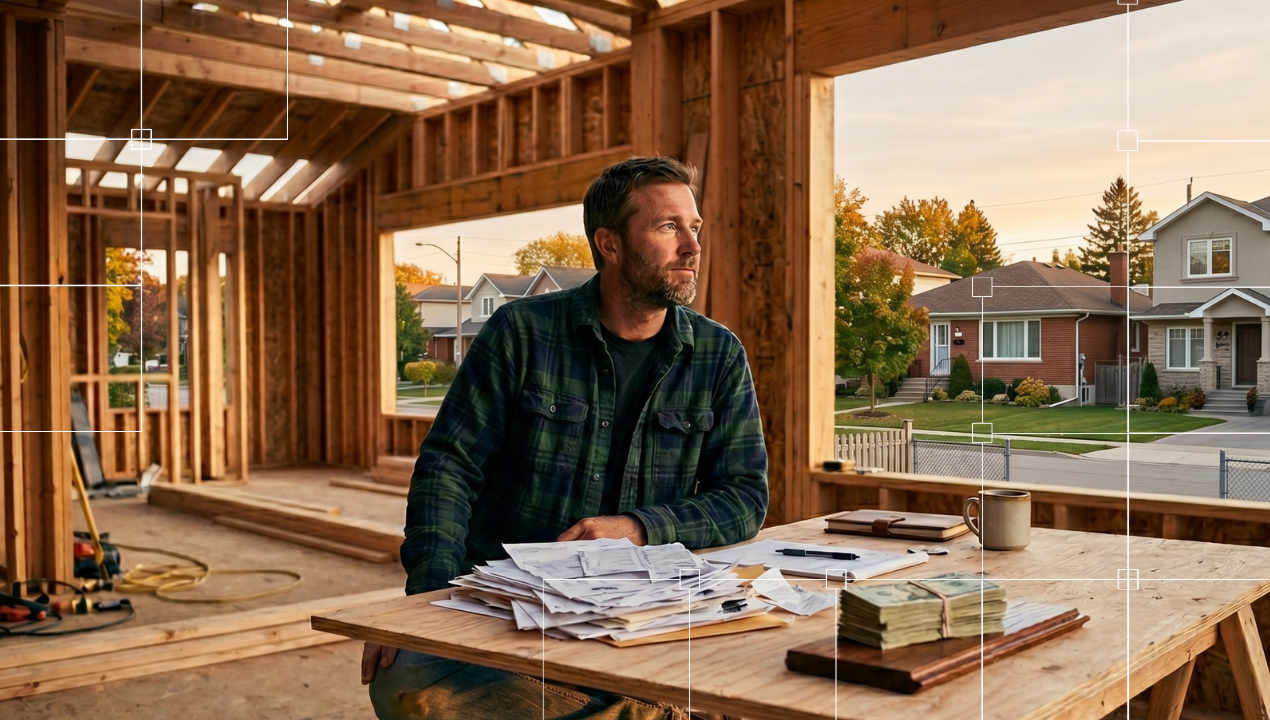
Residential contractors operate very differently.
Why Commercial Software Doesn’t Fit Residential Contractors
While both sectors build structures, residential and commercial construction differ significantly in workflow and scale.
Residential contractors:
- Run lean teams
- Manage multiple smaller projects
- Work directly with homeowners
- Need fast turnaround on estimates
Commercial contractors:
- Handle fewer, high-value projects
- Operate with multiple departments
- Manage extensive contract administration
Enterprise software is often too complex, too expensive, and too time-consuming for residential teams to implement effectively.
As a result, many residential contractors remain stuck with:
- Outdated estimating tools
- Repurposed accounting systems
- Manual spreadsheets
None of which are optimized for growth or sales performance.
The Residential Construction Tech Opportunity
While billions are being invested into construction tech, residential remains one of the least digitized segments.
Residential contractors need:
- Simple, cloud-based estimating
- Fast implementation
- Real-time pricing updates
- Seamless integrations
- Sales-focused proposal tools
They need systems built around their workflow — not enterprise processes.
A New Approach to Residential Construction Software
The team behind Bolster experienced this gap firsthand while running residential construction businesses.
Existing tools were often:
- Overcomplicated
- Poorly supported
- Designed for commercial markets
- Or priced beyond reach
So they built a platform specifically for residential contractors.
Bolster is:
- Fully cloud-based
- Easy to set up and learn
- Flexible in structure
- Integrated with live price crawlers
- Designed to deliver visually compelling proposals
Instead of bloated enterprise features, the focus is speed, clarity, integration, and profitability.
The Future of Residential Construction Tech
Enterprise construction software will continue evolving — but residential contractors need solutions tailored to their realities.
Construction tech is growing rapidly. Adoption is increasing. And residential construction represents one of the biggest opportunities in the industry.
The next wave of innovation won’t just be about bigger systems.
It will be about smarter, simpler ones built for the contractors who need them most.