The role of augmented reality in construction estimating tools - Augmented reality in construction estimating

Bolster
TLDR
Augmented reality is changing construction estimating by improving measurement accuracy, visualizing projects before they start, and reducing costly errors. When combined with modern estimating software, AR helps contractors create clearer, faster, and more confident estimates.
How augmented reality is changing construction estimating
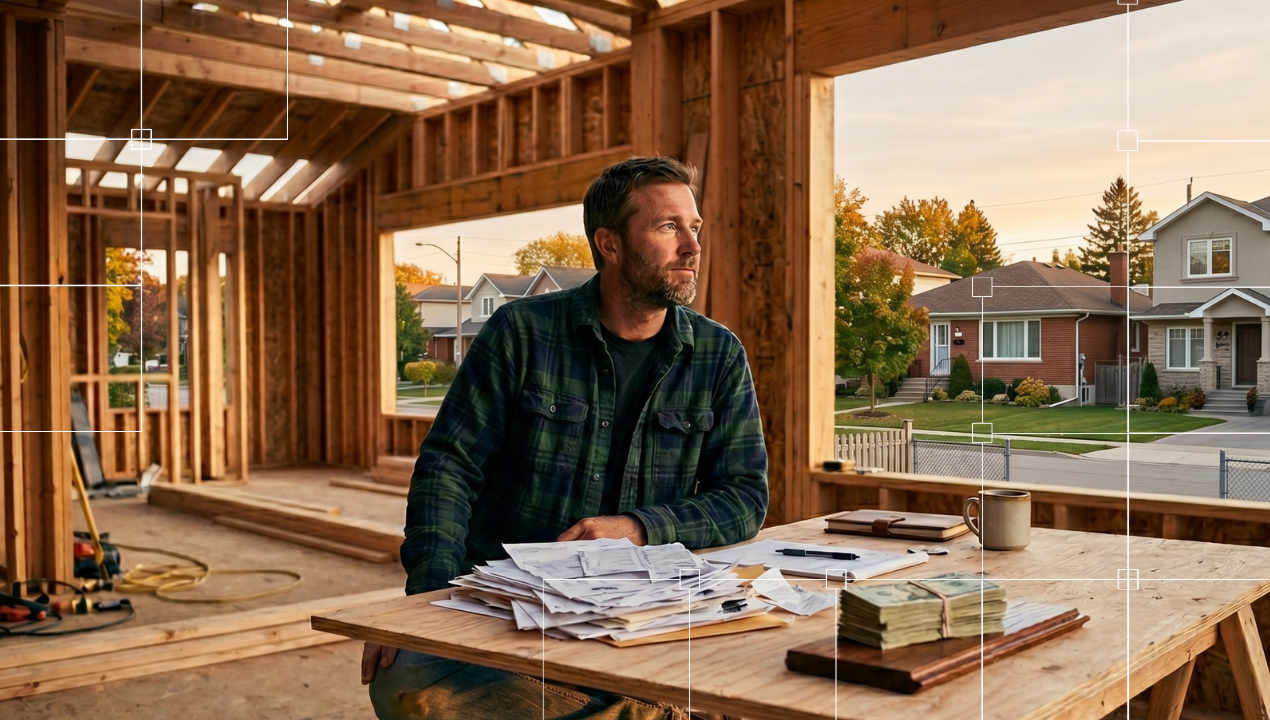
When I first started out as a contractor, the idea of augmented reality in construction felt unrealistic. Back then, estimating relied on paper drawings, spreadsheets, and repeated site visits. Today, augmented reality has moved from concept to practical tool, and it is beginning to reshape how estimates are created and communicated.
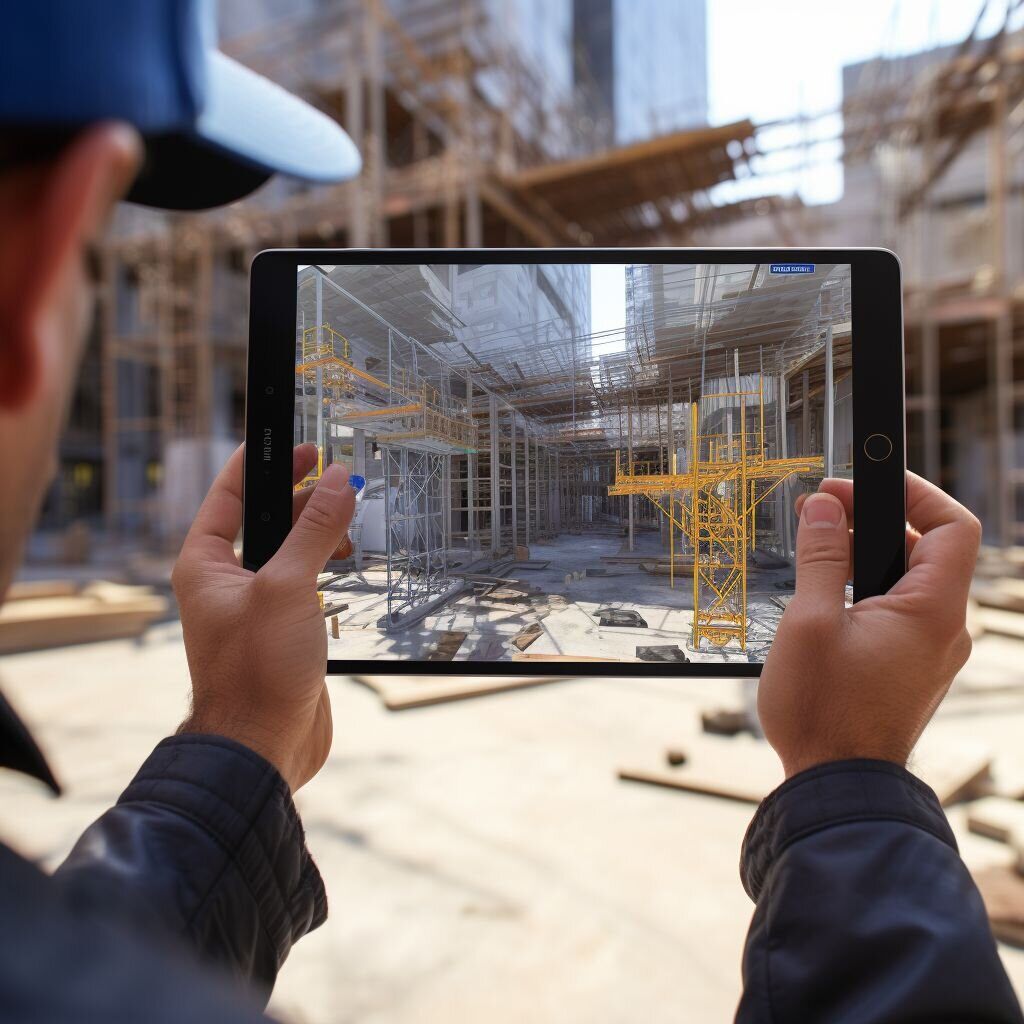
Augmented reality, often referred to as AR, overlays digital information onto the real world. In construction, this means project data, measurements, and visual models can be viewed directly within a physical space. Instead of imagining how a project might come together, contractors and clients can see it before work begins.
Understanding augmented reality in construction
At its core, augmented reality enhances what you see rather than replacing it. Using mobile devices, tablets, or smart glasses, contractors can view digital elements layered onto an actual job site. Measurements, material quantities, and design details appear in context, making estimating more intuitive and precise.
This shift is especially valuable during early project planning, when decisions have the greatest impact on cost and scope.
Why augmented reality works so well with estimating software
Construction estimating has always depended on accuracy and clarity. Augmented reality strengthens both.
Instead of relying solely on two dimensional plans, AR allows contractors to present three dimensional visualizations during the estimating phase. Clients gain a better understanding of layout, finishes, and scale, which reduces misunderstandings and revision requests later.
AR also improves measurement accuracy. Real time spatial data helps contractors capture dimensions more precisely, reducing the need for repeated site visits and minimizing the risk of underestimating materials or labor.
Another advantage is improved resource planning. By visualizing the project in advance, potential conflicts and inefficiencies can be identified early. This allows for better allocation of materials, labor, and equipment, which directly impacts estimate reliability.
Client experience and engagement
One of the biggest challenges in estimating has always been helping clients understand what they are paying for. Augmented reality helps bridge that gap.
When clients can see how their project will look in their actual space, they are more confident in their decisions. This makes it easier to turn static estimates into engaging, interactive buying experiences. Clients can ask better questions, make informed changes, and feel more involved in the process.
This level of clarity also reduces friction during approvals, since expectations are aligned before construction begins.
Time savings and error reduction
Manual estimating often requires multiple site visits and repeated revisions. Augmented reality reduces this burden by capturing accurate data the first time. Fewer surprises during construction mean fewer change orders and less rework.
By combining AR with modern construction estimating software, contractors can streamline workflows from measurement to final pricing. This saves time not only during estimating, but throughout the entire project lifecycle.
What the future looks like
Augmented reality is still evolving, but its direction is clear. As estimating tools continue to integrate AR capabilities, contractors will gain even greater control over accuracy, presentation, and efficiency.
Looking ahead, it is likely that augmented reality will work alongside other emerging technologies such as advanced automation and virtual walkthroughs. Together, these tools will further close the gap between planning and execution.
Conclusion
Augmented reality is no longer a novelty in construction estimating. It is becoming a practical tool that improves accuracy, enhances client communication, and saves time. Contractors who embrace this technology now will be better positioned as expectations continue to rise.
Just as the industry once shifted from spreadsheets to estimating software, the next evolution is already underway. Augmented reality represents a natural step forward for contractors who want clearer estimates, smoother projects, and more confident clients.