The essential guide: Navigating home remodels in Dallas’s conservation areas

Bolster
TLDR
Remodeling homes in Dallas conservation areas requires careful planning, strict adherence to local regulations, thoughtful design choices, and accurate estimating to protect historical character while delivering modern upgrades.
What contractors need to know before remodeling in Dallas conservation areas
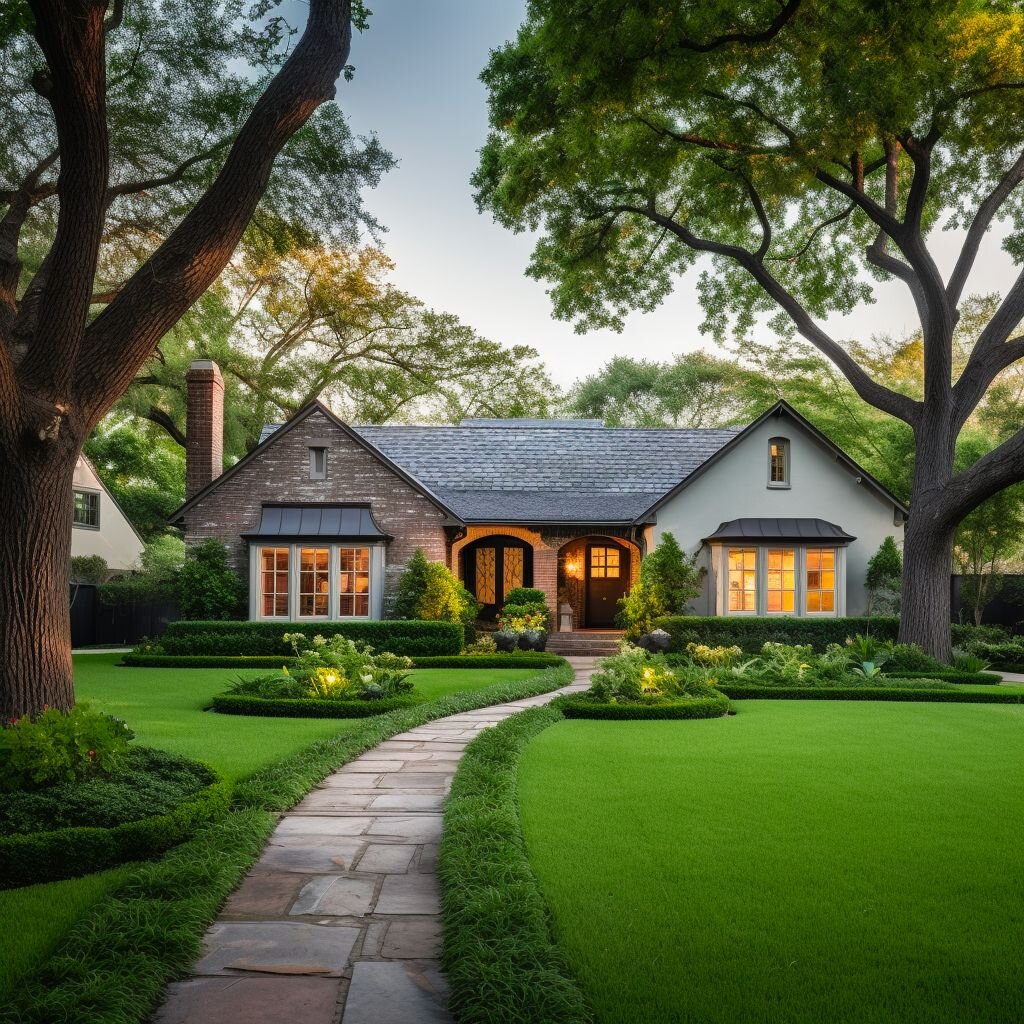
Remodeling a home in one of Dallas’s conservation areas is a unique experience. These neighborhoods are protected for their historical, architectural, and cultural significance, which means remodels come with additional rules and expectations.
For contractors, success starts with understanding the regulations, planning thoroughly, and using the right tools to manage cost and complexity.
Understanding Dallas conservation district regulations
Conservation areas exist to preserve the architectural character of specific neighborhoods. Unlike standard residential zones, these districts often regulate exterior changes such as windows, roofing materials, siding, additions, and even paint colors.
Before creating designs or estimates, contractors should review the specific conservation district ordinance for the property. Each district has its own guidelines, and assuming they are all the same can lead to costly redesigns or delays.
Pre-planning lessons from the field
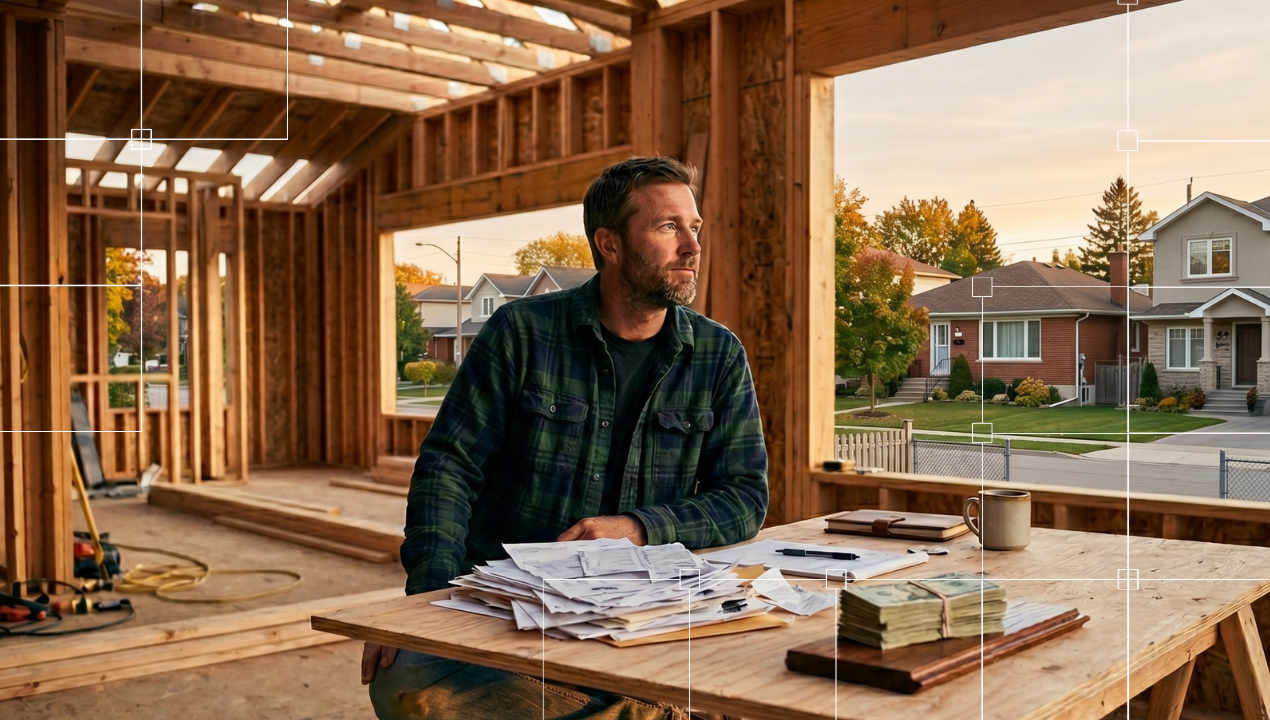
Early in my career, working in conservation areas felt overwhelming. Permits took longer, designs required revisions, and costs were harder to predict. Over time, one thing became clear. Pre-planning is everything.
Accurate estimating upfront is essential when additional reviews, inspections, or specialty materials may be required. Tools like Bolster help contractors account for these variables early, reducing surprises later in the project.
Balancing historic character with modern upgrades
One of the most rewarding aspects of conservation area remodels is blending historical charm with modern functionality. Homeowners want updated kitchens, energy-efficient systems, and smart-home features without compromising the character of their home.
This balance requires thoughtful design and precise cost planning. Estimating software helps contractors model different scenarios and present homeowners with clear options that respect both budget and preservation requirements.
Navigating the permit process
Permits in Dallas conservation areas often involve additional review steps, including landmark or preservation committees. These steps can affect timelines and costs if not planned correctly.
Contractors should factor permit fees, potential revisions, and longer approval timelines into their estimates. Using construction estimating software makes it easier to track these costs and keep projects financially aligned from start to finish.
The long-term value of conservation area remodels
Once complete, homes in Dallas conservation areas often see strong long-term value. Thoughtful remodels that respect district guidelines tend to stand out in the market and attract buyers who appreciate craftsmanship and history.
From a contractor’s perspective, delivering a smooth, compliant remodel builds trust and strengthens reputation in these highly desirable neighborhoods.
Using the right tools to stay on track
Remodeling in conservation areas leaves little room for error. Tight budgets, strict rules, and detailed designs require accurate estimating and clear communication.
Bolster helps contractors manage costs, track changes, and present clear estimates that account for the added complexity of conservation area projects. Having reliable numbers allows you to focus on craftsmanship instead of constantly revisiting budgets.
Wrapping it up
Remodeling homes in Dallas conservation areas is more than a standard renovation. It is a process that demands preparation, precision, and respect for history.
With the right planning, the right tools, and a solid understanding of local regulations, these projects can be some of the most rewarding work a contractor takes on.
Until next time, happy building and keep pushing your craft forward in Dallas.