Transitioning to a new estimating software? here's how! - switching to new construction estimating software

Bolster
TLDR
Switching to new construction estimating software can feel overwhelming, but with the right preparation, training, and mindset, it can dramatically improve accuracy, speed, and profitability for residential contractors.
How to successfully switch construction estimating software
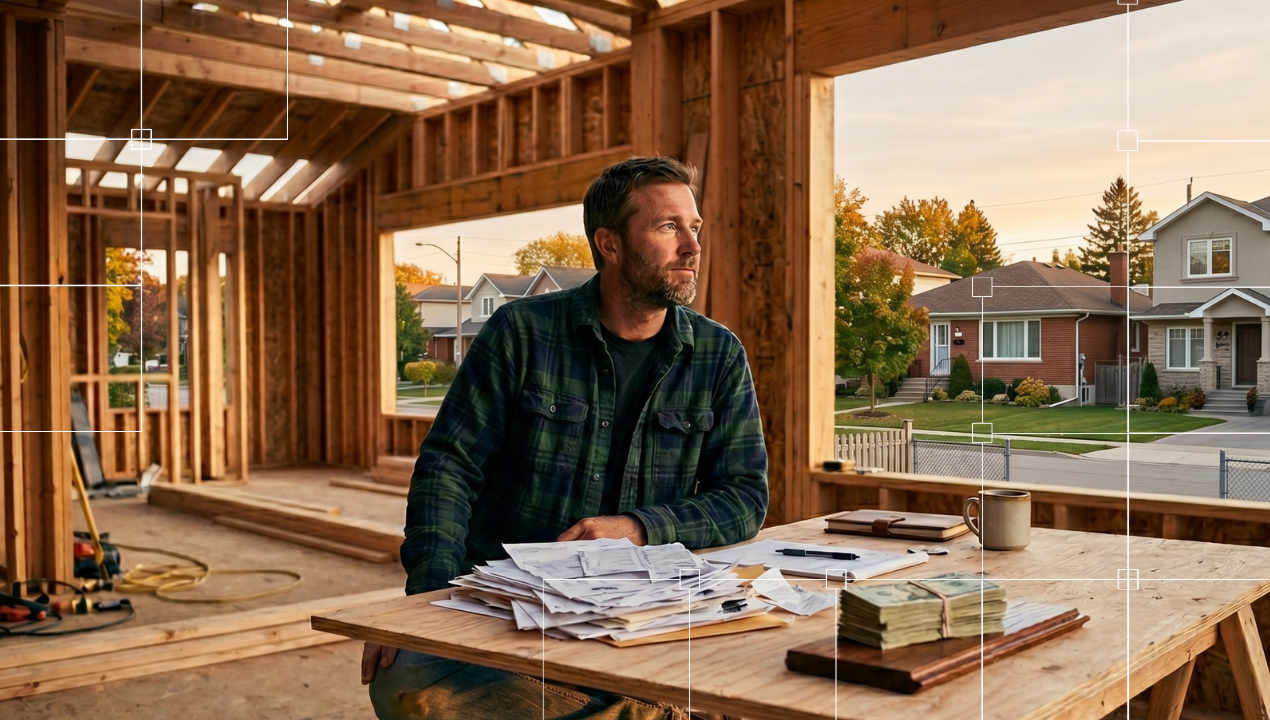
There comes a point in every residential contractor’s career when the old systems simply stop working. Spreadsheets get messy, manual estimates take too long, and keeping track of changes becomes a daily frustration. That moment usually signals it is time to upgrade your estimating software.
I remember when I made the switch myself. At first, it felt intimidating. Once the transition was complete, though, the difference was immediate. Estimates were faster, cleaner, and far more accurate. The key is approaching the transition with a clear plan.
The reason contractors decide to transition
If you are still debating whether digital estimating is worth it, it helps to look at the time being lost to manual processes. My team used to spend hours calculating estimates, reviewing paperwork, and double checking numbers. Errors slipped through more often than I would like to admit.
Switching to a modern estimating platform like Bolster changed that completely. The process became faster, more reliable, and far less stressful. It felt like finally working with the business instead of fighting against it.
Key points to remember before making the switch
Do your homework
There are plenty of estimating platforms available, including Buildertrend, CoConstruct, and Bolster. Each one approaches estimating differently, so it is important to understand what features matter most to your workflow and your team.
Migrate data carefully
Moving old estimates, customer records, and pricing data needs to be done securely and systematically. Missing or corrupted data can cost you time, money, and trust. A thoughtful migration plan makes all the difference.
Prioritize training
Even the best software will fall short if your team does not know how to use it properly. Training is essential, whether that means learning the basics of construction estimating or understanding advanced features like remodeling estimate workflows.
When I first started using construction estimating software, it felt like learning a new language. Once it clicked, it completely changed how I ran my business.
Think in terms of return on investment
New estimating software should never be viewed as just another expense. It is an investment in efficiency, accuracy, and growth.
From my experience, the right platform can significantly improve ROI by reducing estimating time, increasing close rates, and minimizing costly errors. Taking the time to understand which construction estimating software delivers the best return will help you make a confident decision.
Benefits you can expect after switching
Making the move to modern estimating software comes with clear advantages:
- Faster and more accurate estimates that lead to interactive, professional quotes
- Improved project scheduling and visibility
- Better handling of unforeseen changes and costs through digital workflows
These improvements quickly compound, especially as your business grows.
What my transition looked like in practice
When I committed to switching software, I was overwhelmed at first. As I learned features like automated costing and structured quoting, everything started to fall into place.
The time saved on estimating allowed me to take on larger projects, explore new construction technology, and spend more time outside of work. That balance alone made the transition worthwhile.
Final thoughts
Switching to new construction estimating software is not just about adopting a tool. It is about evolving how your business operates. With the right preparation, training, and support, the transition can unlock long term growth and profitability.
Explore the resources available on the Bolster blog, take the time to plan your move, and embrace the change. In today’s construction landscape, evolving is not optional. It is essential.