Revolutionizing Dallas: How modular homes are changing the game

Bolster
TLDR
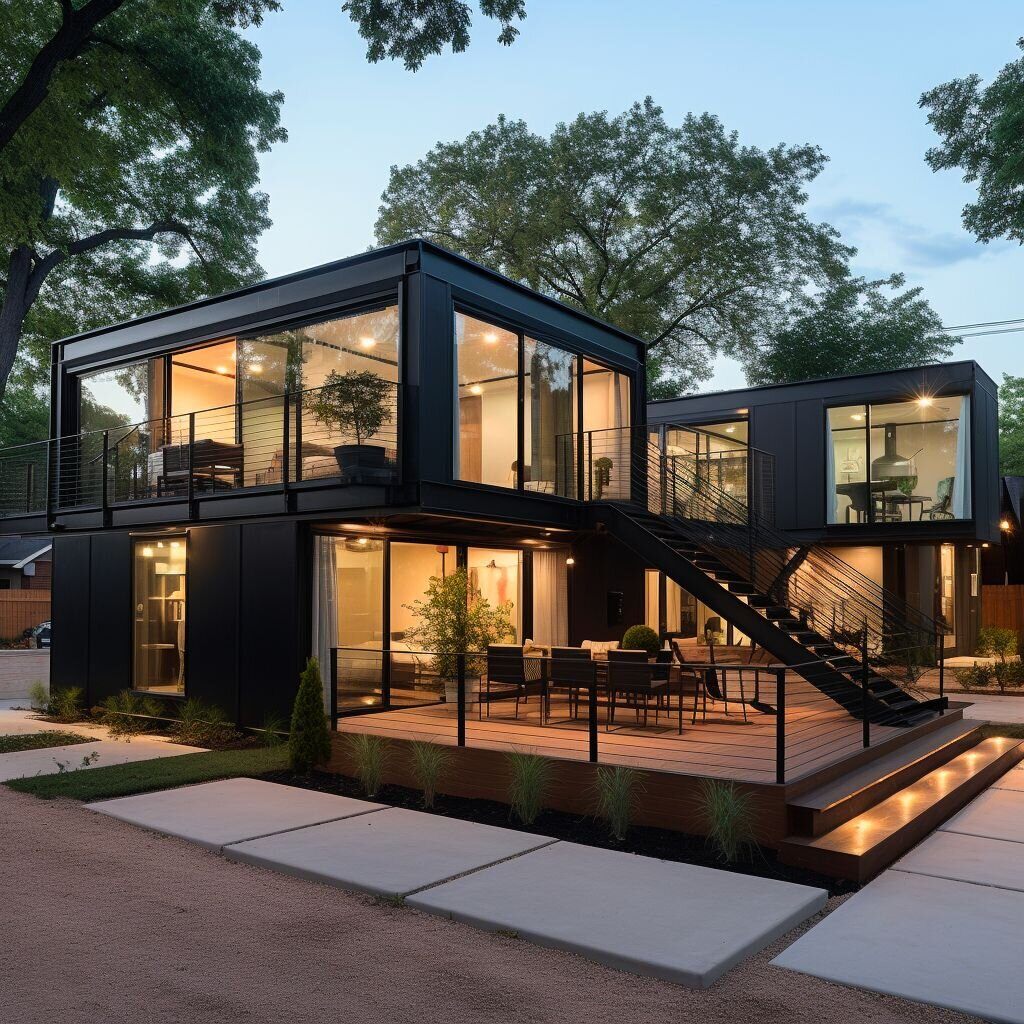
Modular homes are transforming the Dallas housing market by reducing build times, lowering costs, and improving sustainability. In 2026, contractors who adapt their estimating and project workflows to modular construction are better positioned to compete and scale.
Why Modular Homes Are Gaining Momentum in Dallas
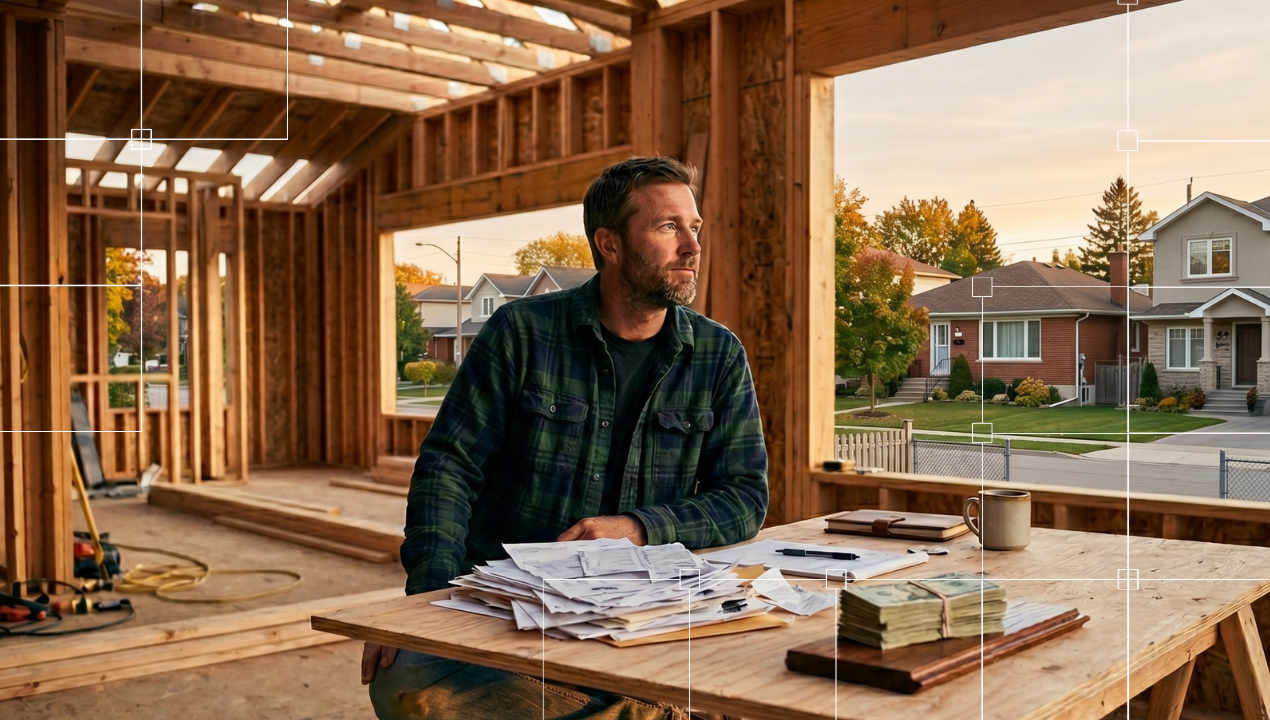
As a residential contractor based in Canada with a background in estimating, it has been fascinating to watch how construction trends evolve across borders. One of the most noticeable shifts in Dallas is the growing adoption of modular homes.
Dallas continues to experience population growth and rising housing demand. With affordability under pressure, modular construction offers a practical solution. Factory built components reduce waste, minimize delays, and create more predictable costs. For first time buyers and homeowners looking to downsize, modular homes present an attractive alternative to traditional builds.
From an estimating perspective, predictability is a major advantage in an increasingly volatile market.
Speed and Efficiency as Competitive Advantages
One of the biggest benefits of modular construction is speed. While site work is underway, modules are built simultaneously in a controlled environment. This parallel workflow dramatically shortens project timelines.
Faster builds also reduce labor costs and exposure to weather delays. For contractors, this means more projects completed per year with fewer scheduling risks. Estimating software plays a critical role here by helping contractors model costs accurately and plan tighter timelines from the outset.
As modular adoption grows in Dallas, efficiency is becoming a key differentiator.
Sustainability and Reduced Waste
Environmental considerations are no longer a niche concern. More Dallas homeowners are factoring sustainability into their buying decisions.
Modular construction supports this shift by producing less waste and using materials more efficiently. Factory settings allow for tighter quality control and better resource management compared to traditional job sites.
For contractors, understanding how environmental factors impact overall costs is increasingly important. Estimating systems that clearly separate fixed, variable, and overhead costs make it easier to account for sustainability without sacrificing profitability.
Modular Homes Versus Traditional Construction
While modular homes offer clear benefits, they also challenge long established construction practices. Contractors who rely solely on traditional methods may find it harder to compete as modular gains traction.
Adapting requires a shift in mindset, estimating approach, and workflow coordination. This mirrors changes many contractors have already experienced with digital estimating and modern project management tools. Those who embrace new processes early tend to gain a long term advantage.
The Dallas market is rewarding flexibility and innovation more than ever.
What the Future Looks Like for Dallas Contractors
Looking ahead to 2026 and beyond, modular homes are expected to become a permanent part of Dallas’s residential construction landscape. As zoning evolves and consumer acceptance grows, opportunities for modular focused contractors will continue to expand.
For builders and estimators, staying informed and investing in the right tools is essential. Modular construction is not just a design shift. It is a process shift that rewards accuracy, speed, and clarity from estimate to execution.
Final Thoughts
Modular homes are changing how homes are built in Dallas by balancing affordability, efficiency, and sustainability. For contractors willing to adapt, this shift opens the door to faster growth and more predictable outcomes.
As construction continues to evolve, the ability to estimate accurately and respond quickly to market demands will define success. Modular construction is not replacing traditional building overnight, but it is clearly reshaping the future of the Dallas housing market.