Don't get left behind: Modern home design trends contractors must know

Bolster
TLDR
Home design trends are evolving fast, and contractors who understand them win more work. Sustainability, smart technology, flexible layouts, industrial finishes, minimalism, and outdoor living spaces are shaping residential projects. Knowing these trends and pricing them accurately helps you stay competitive.
Why modern design trends matter for contractors
Hey there, fellow contractors. After years in residential construction, one thing is clear. Design trends may change, but the need to stay ahead never does. Right now, home design is moving quickly, blending innovation with higher client expectations.
Understanding current design trends is not just about aesthetics. It affects how you scope projects, communicate with clients, and price work accurately. With the right tools, including modern construction estimating software, you can turn these trends into profitable opportunities rather than surprises.
Below are six modern home design trends every contractor should know going into 2026.
Trend 1: Sustainable and eco friendly designs
Sustainability has moved from a nice to have to an expectation. Homeowners are actively seeking energy efficient and environmentally responsible solutions.
Common requests include solar panels, high performance insulation, efficient windows, and low energy appliances. Contractors who understand these systems and can clearly price them stand out quickly. Accurate estimating is especially important here, as green upgrades often come with higher upfront costs but long term value.
Trend 2: Smart home technology
Smart homes are no longer futuristic. They are becoming standard in many residential projects.
Clients are looking for integrated systems like smart thermostats, security cameras, automated lighting, and voice controlled features. Contractors do not need to be technology experts, but they do need to understand installation requirements, coordination with trades, and how these features impact budgets and timelines.
Trend 3: Open and flexible spaces
The way people use their homes has changed. Living spaces are expected to adapt easily to work, exercise, entertaining, and family life.
Open layouts and flexible rooms are increasingly popular, but they often involve structural changes, upgraded electrical plans, and more detailed planning. Being able to estimate these renovations accurately helps you manage expectations and protect margins on complex projects.
Trend 4: Industrial and raw aesthetics
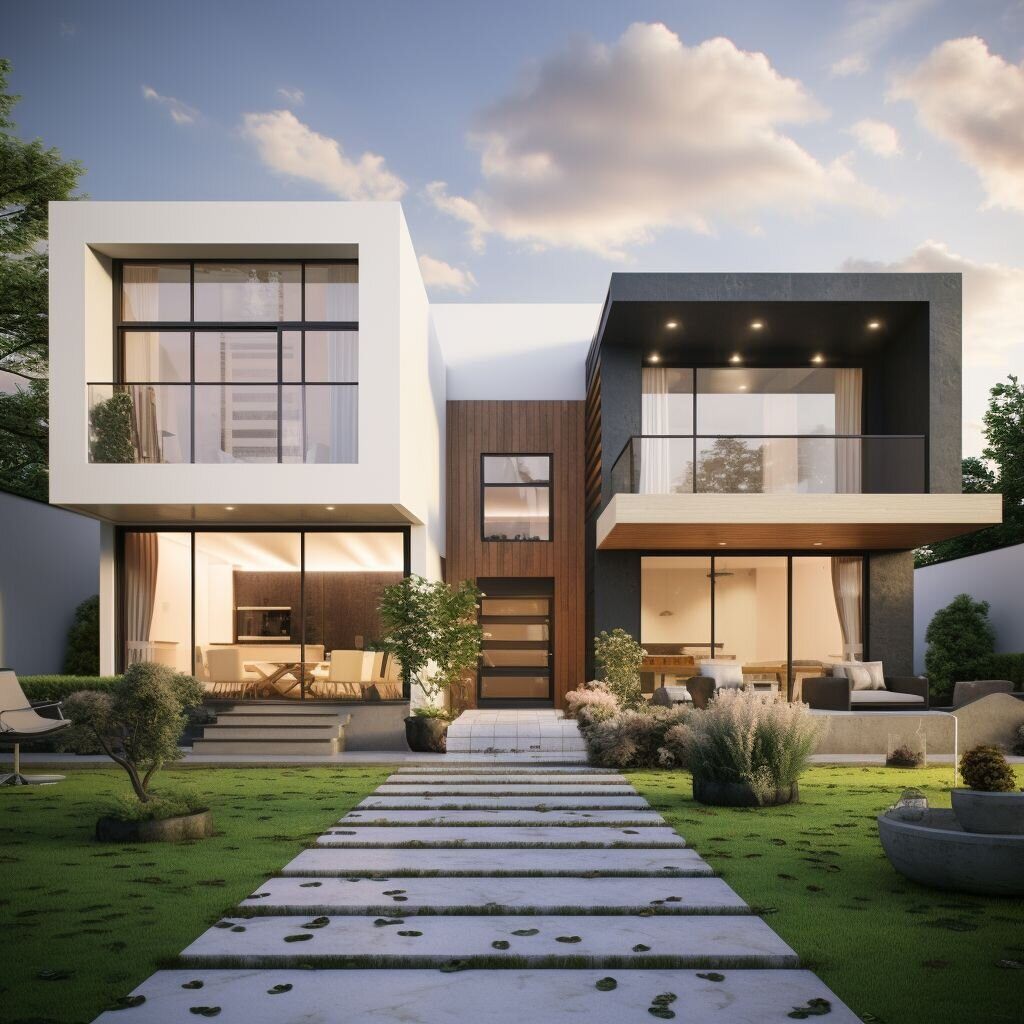
Industrial inspired design continues to gain traction. Exposed brick, concrete finishes, steel details, and visible structural elements create a modern yet rugged look.
While the style appears simple, execution requires precision. Clients want the raw aesthetic without compromising comfort or quality. Contractors who understand the balance between cost, finish quality, and durability are better positioned to deliver this look successfully.
Trend 5: Minimalism and clean lines
Minimalist design remains a strong trend, especially among homeowners seeking calm and uncluttered spaces.
Clean lines, neutral palettes, and thoughtful storage solutions define this style. While minimalist spaces may look simple, they often demand high craftsmanship and careful detailing. Accurate estimates help ensure that simplicity does not turn into underpriced work.
Trend 6: Outdoor living spaces
Outdoor areas are now considered extensions of the home. Decks, patios, outdoor kitchens, and fire features are high on many homeowners’ wish lists.
These projects often involve multiple trades, weather considerations, and permitting requirements. Clear scoping and accurate estimating are critical to delivering outdoor spaces that add value without unexpected costs.
Staying competitive as trends evolve
Keeping up with modern home design trends is essential for contractors who want to remain competitive. Clients expect informed guidance, realistic pricing, and confidence from the first conversation.
Using tools like Bolster helps contractors price complex projects accurately, present options clearly, and manage changing client expectations as design trends evolve.
By understanding where residential design is heading and aligning your processes with it, you position your business for long term success.